
<-
Back to
News
In an article for UNIAN, we analyze how Russians are reacting to Kremlin statements that there are no plans for another mobilization wave and what has drawn the strongest criticism of the authorities.

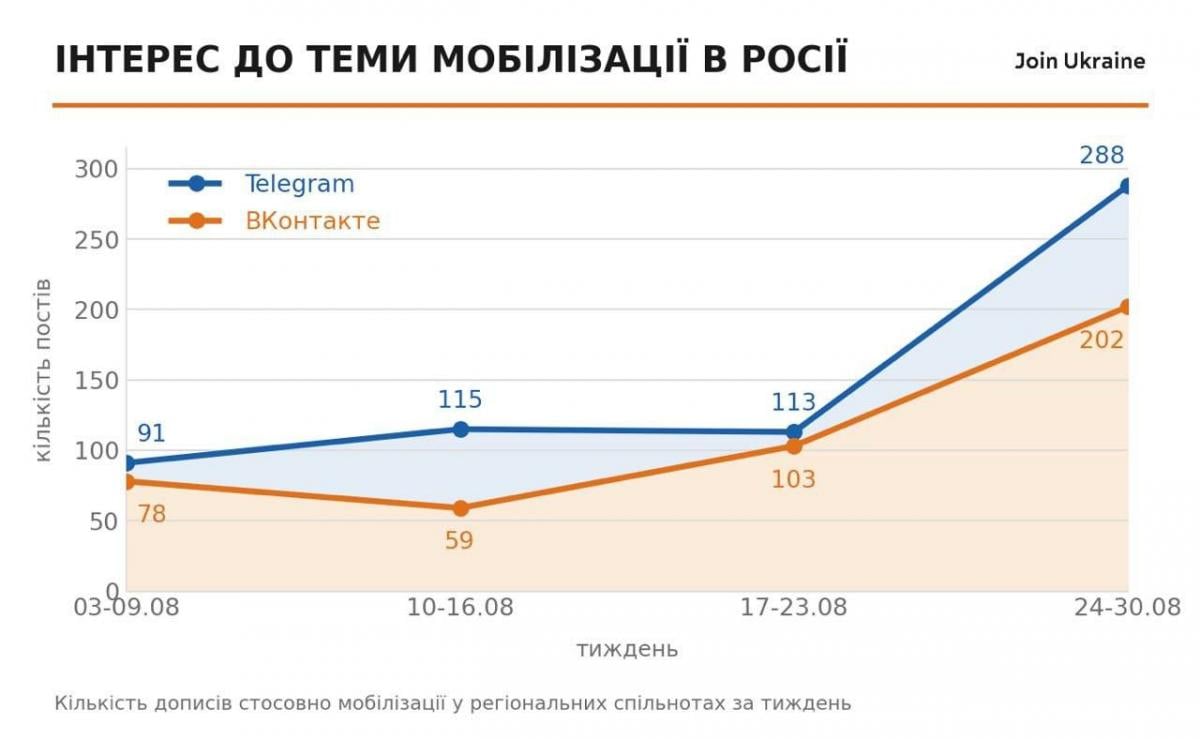
Russian authorities continue to deny that a new wave of mobilization is being prepared, yet the issue has unexpectedly become the most widely discussed topic on social media across the country’s regions. In just one week, the number of discussions increased by more than twofold (127%), according to experts from Join Ukraine’s weekly public opinion monitoring project.
Between August 24 and 30, the number of posts on Russian Telegram channels and VKontakte increased to 490. Analysts link the surge to several news developments. The main one was a draft order prepared by Russia’s Defense Ministry on August 25, which would significantly expand military recruitment offices’ access to the personal data of people liable for military service and their close relatives.
According to the reports, this could include tax returns, bank accounts, loans and debts, employment and business information, traffic accidents, marital status, foreign passports, criminal records, and even residents’ health information.
In an attempt to “reassure the public,” Kremlin spokesperson Dmitry Peskov called reports of a new mobilization “information fabrications,” while Dmitry Medvedev said there were no such plans at all. But according to the analysts, Russians have little faith in these statements.
In the comments, people remind the authorities of unfulfilled promises from previous years, including those concerning the 2022 mobilization and the raising of the retirement age. Many suspect that these decisions have simply been postponed until after the elections.
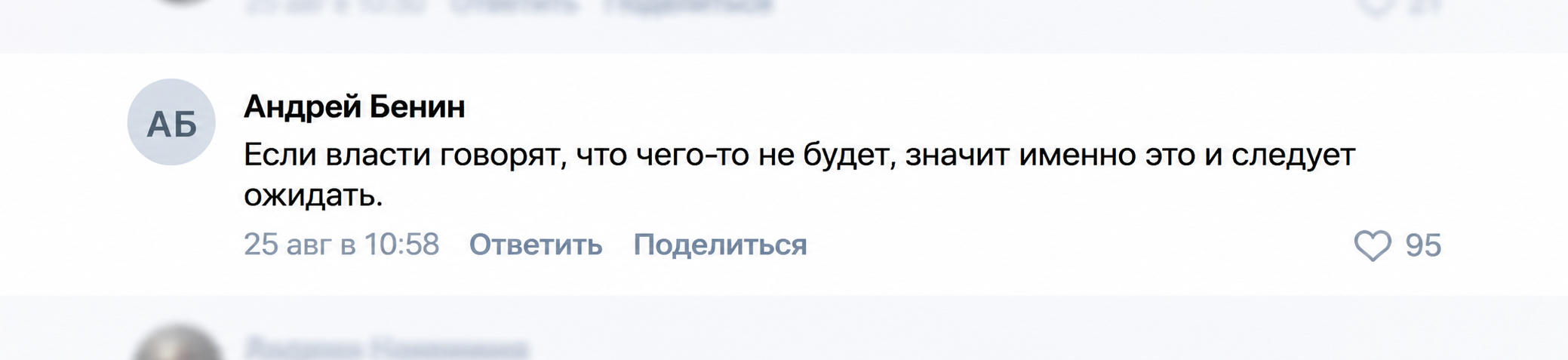
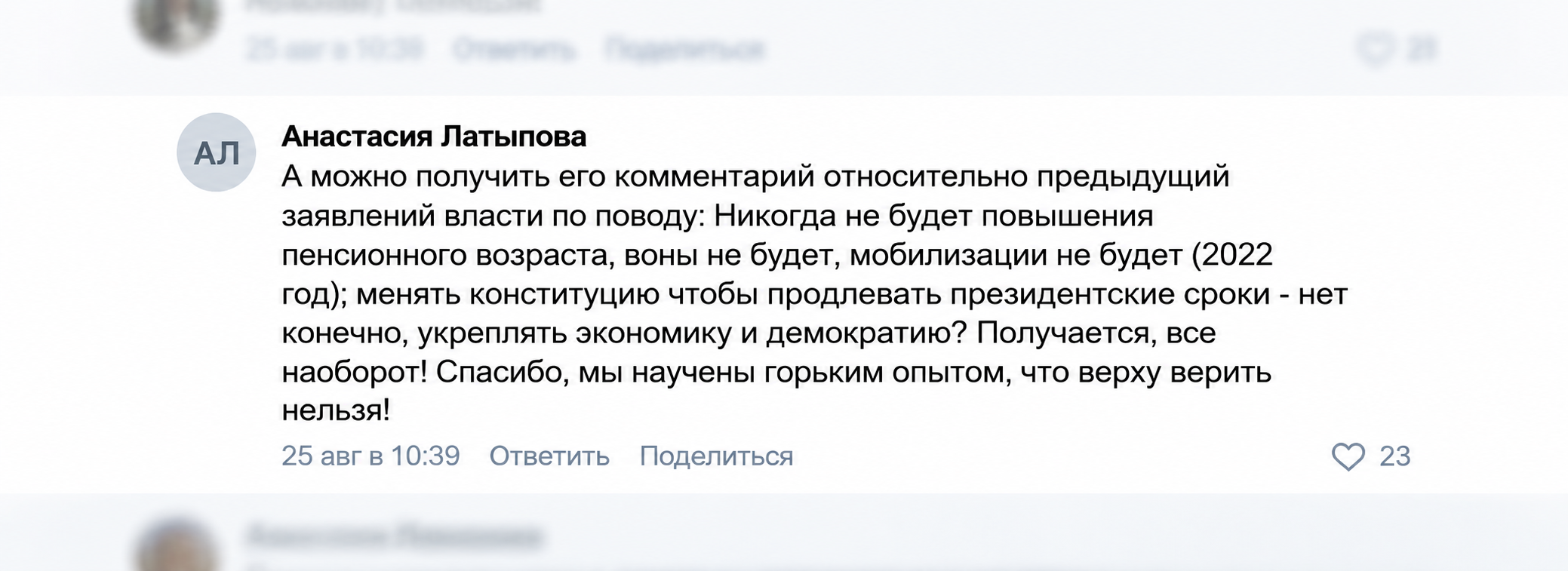
The biggest source of outrage was the expanded access to personal data. Russians question why military recruitment offices need information about people’s income, health, and relatives. They fear the data could be used to track down draft evaders and put pressure on their families.
“Buryatia, Perm Krai, Altai Krai, and the Samara and Chelyabinsk regions were the most active in discussing the issue. There, conversations quickly moved beyond mobilization and turned into criticism of the authorities, Putin, and United Russia,” the analysts wrote.
At the same time, the report notes that differences in the intensity of discussions across regions can be explained by several factors. Low activity in a particular region does not necessarily mean a lack of interest in the issue — people may simply be more cautious about expressing their views publicly, said Yuliia Yelenich, an analyst with Join Ukraine’s Russia-focused team.
<-
Back